Discovery of (Non)Memory: The Archive as Publishing Space

"Working from exile, I approach the archive as a living publishing practice: a space where memory is not only preserved but also critically re-edited," writes Lesia Pcholka, curator of the VEHA archive. Inspired by thinkers such as the French writer and philosopher Ernest Renan, who argued that nations are built as much on collective forgetting as on collective remembering, she will lead a discussion on how independent publishing can reveal suppressed histories and create alternative frameworks of belonging.
How are collective memories constructed and who decides what becomes part of a nation’s shared code? Families, workplaces, and communities create common stories that shape belonging. Nations function in a similar way: through repeated narratives, images, and myths that become so familiar they no longer require explanation.
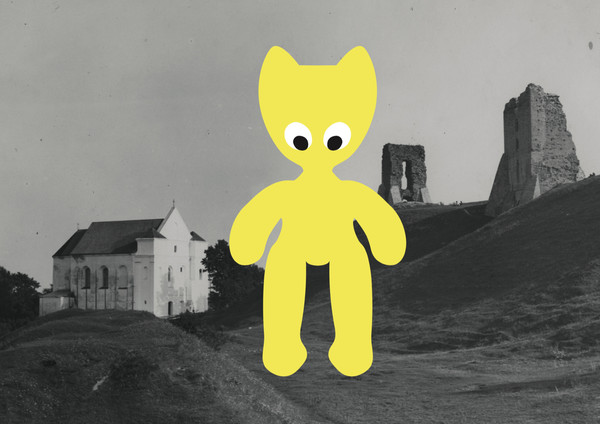
Drawing on the work of the VEHA Archive, an independent publishing and archival initiative dedicated to vernacular photography from Belarus, the team will present "Ruins of Belarus". The recently released book brings together photographs from family albums, museums, and archives across different countries, reconstructing visual histories that have been fragmented, displaced, or overlooked.
Lesia will be joined on stage by Uladzimir Hramovich, artist and author of the essay in Ruins of Belarus, as well as the book's designers, Karolina Pietrzyk and Tobias Wenig. Together, as Swamp.center, they will discuss publishing as a collaborative artistic practice and a tool for preserving collective memory.